

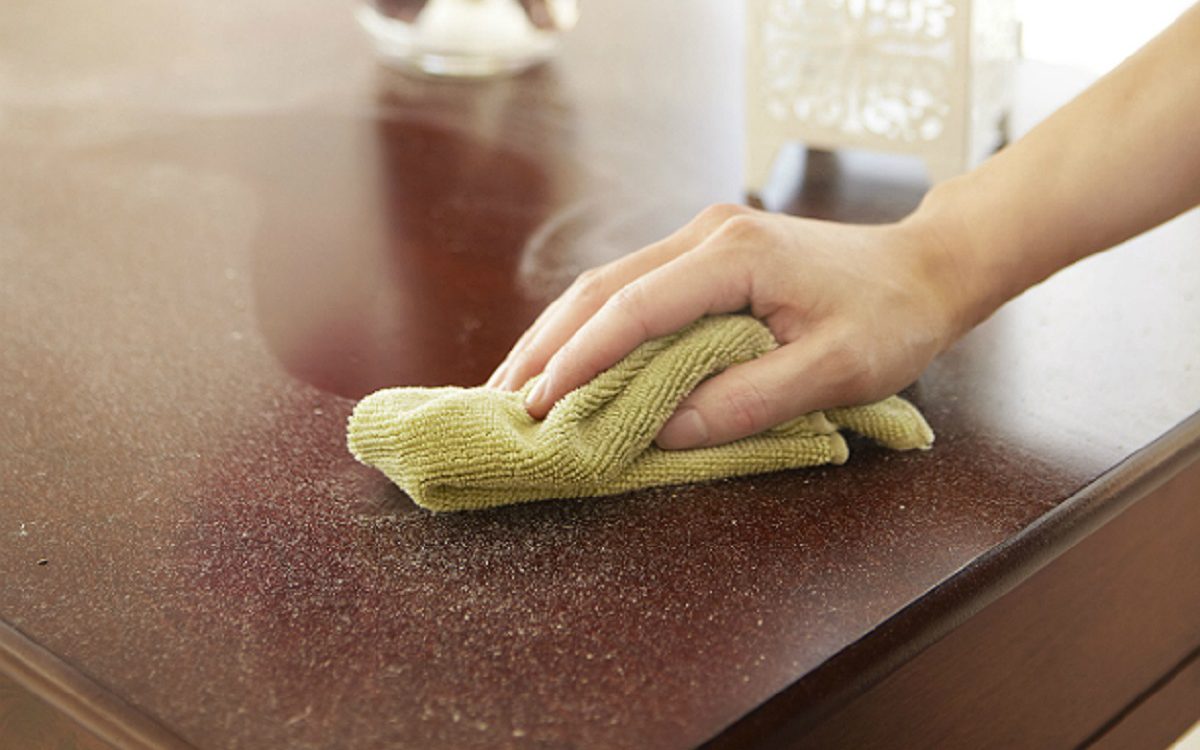
Dust is composed of human skin cells, fabric fibers, pet dander, dust mite excrement, dirt and debris being tracked inside.
There are many reasons to dust your home.
Dust on surfaces can make those surfaces look dingy and dirty. It can also cause scratching and damage to household surfaces. Dust presents allergy and breathing problems for many groups of people. By performing regular cleaning as a chore, families can protect themselves from these potential problems.
The potential health effects of dust
If no one in your household suffers from allergies, you won’t need to dust as often as other families do. You should still dust surfaces such as electronics and furniture weekly to prevent buildup that can scratch, damage, and clog surfaces. You’ll only need to dust out of the way spots like ceilings, corners, and door frames as needed, which may only require your attention every couple of months.
For those with allergies
If you live with someone who has allergies, you may need to dust regularly. Dust hard-to-reach places like ceiling fans and baseboards once a week and get behind furniture weekly. Avoid using a feather duster that just spreads dust around the room; use a damp rag instead.