

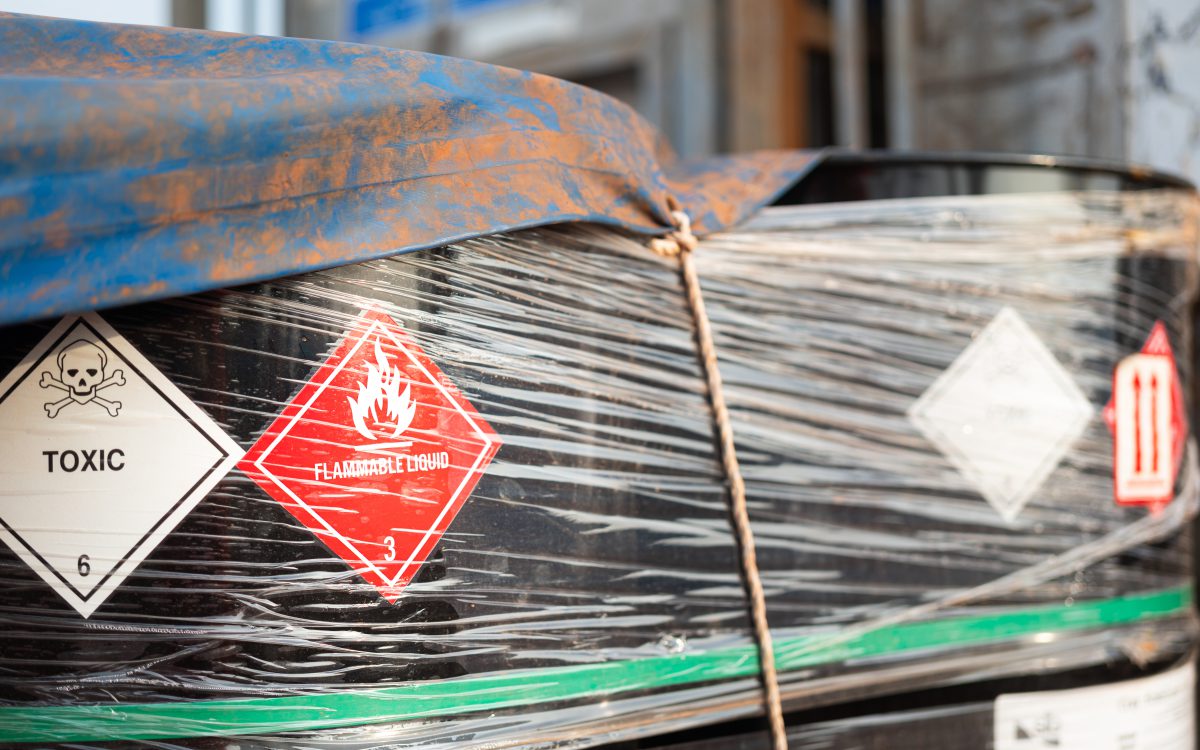
Proper hazardous waste disposal Chicago is crucial for both businesses and residents. In a bustling urban environment like Chicago, where industries, medical facilities, and households generate hazardous materials, it’s essential to have proper waste disposal systems in place. Disposing of hazardous waste correctly ensures public safety, environmental protection, and compliance with strict local regulations. In this guide, we’ll cover everything you need to know about hazardous waste disposal near me Chicago, from identifying hazardous waste to choosing the best disposal services.
What is Hazardous Waste?
Hazardous waste includes any materials that are harmful to human health or the environment. These materials can be liquids, solids, or gases and are typically generated by manufacturing, chemical processing, medical facilities, and even households. Some examples include:
Chemical waste: Industrial chemicals, solvents, acids.
Medical waste: Contaminated needles, syringes, and pharmaceuticals.
Electronic waste (e-waste): Old electronics containing hazardous materials like mercury and lead.
Household hazardous waste: Cleaning products, paints, pesticides, and batteries.
If you’re searching for hazardous waste disposal near me Chicago, it’s essential to understand which materials qualify as hazardous and why proper disposal is so important.
The Importance of Hazardous Waste Disposal
The need for proper hazardous waste disposal Chicago is more critical than ever. Mismanagement of hazardous materials can lead to severe consequences, including:
Health Risks: Hazardous waste often contains toxic substances that can cause long-term health problems, including respiratory issues, cancer, and neurological damage. Proper disposal prevents exposure to these harmful substances.
Environmental Protection: Improper disposal of hazardous waste can lead to contamination of soil, water, and air, affecting wildlife, plants, and humans. For this reason, hazardous waste disposal near me Chicago must be handled with utmost care.
Legal Compliance: Chicago has strict regulations regarding the disposal of hazardous materials. Both businesses and individuals must comply with local, state, and federal laws to avoid fines and legal penalties.
How to Find Reliable Hazardous Waste Disposal Services in Chicago
If you’re in need of hazardous waste disposal Chicago, finding a reliable and experienced disposal service provider is essential. Look for a company that:
Specializes in Hazardous Waste: The service provider should have expertise in handling and disposing of hazardous materials. They should also be knowledgeable about hazardous waste disposal near me Chicago.
Complies with Local Regulations: Ensure that the company follows EPA and Illinois EPA guidelines for hazardous waste disposal. This includes proper transportation, labeling, and disposal methods.
Prioritizes Safety: The company should follow strict safety protocols to prevent accidents during the handling and disposal process.
Provides Comprehensive Services: Look for a provider that offers a full range of hazardous waste disposal services, from collection to treatment, and even waste audits for compliance.
Types of Hazardous Waste and Disposal Methods
Different types of hazardous waste require different disposal methods. Below are some common types of hazardous waste and how they should be disposed of:
Chemical Waste: Includes solvents, acids, and other toxic chemicals used in manufacturing or laboratories. These must be stored in proper containers, labeled correctly, and transported to specialized disposal sites.
Medical Waste: Includes used needles, syringes, and contaminated medical equipment. Medical waste should be treated with utmost care, often through sterilization and incineration, to prevent the spread of diseases.
E-Waste: Electronic waste such as old computers, batteries, and televisions can contain hazardous substances like mercury, cadmium, and lead. This waste should be recycled or properly disposed of in an eco-friendly manner.
Household Hazardous Waste: Common household items like paint, cleaning products, and pesticides can be hazardous. Special collection events or residential pickup services can help safely dispose of these materials.
Best Practices for Hazardous Waste Disposal
Here are some best practices to ensure hazardous waste disposal Chicago is carried out safely and efficiently:
Proper Segregation: Keep hazardous waste separate from non-hazardous waste to prevent accidents. Each waste type requires a different disposal method.
Use Certified Disposal Services: Always work with certified hazardous waste disposal companies that are compliant with local and federal regulations.
Waste Minimization: Reduce hazardous waste production by opting for less harmful materials and chemicals in your business or home. The less hazardous waste you generate, the easier it is to manage and dispose of it.
Employee Training: If you own a business, ensure that employees are trained in hazardous waste management. This will ensure they follow safety protocols and reduce the risk of mishandling.
How to Handle Hazardous Waste at Home
For homeowners, hazardous waste disposal near me Chicago may seem overwhelming, but there are local resources to help. Here are some ways to safely dispose of hazardous waste at home:
Household Hazardous Waste Collection Events: Many Chicago neighborhoods host free collection events for hazardous materials. These events are a great way to dispose of unwanted chemicals, paints, and electronics.
Residential Pickup Services: Some hazardous waste disposal companies in Chicago offer residential pickup services for hazardous materials, including old electronics and chemicals.
Recycling Centers: Certain types of hazardous materials, like batteries and electronics, can often be recycled. Look for local recycling centers that specialize in these items.