

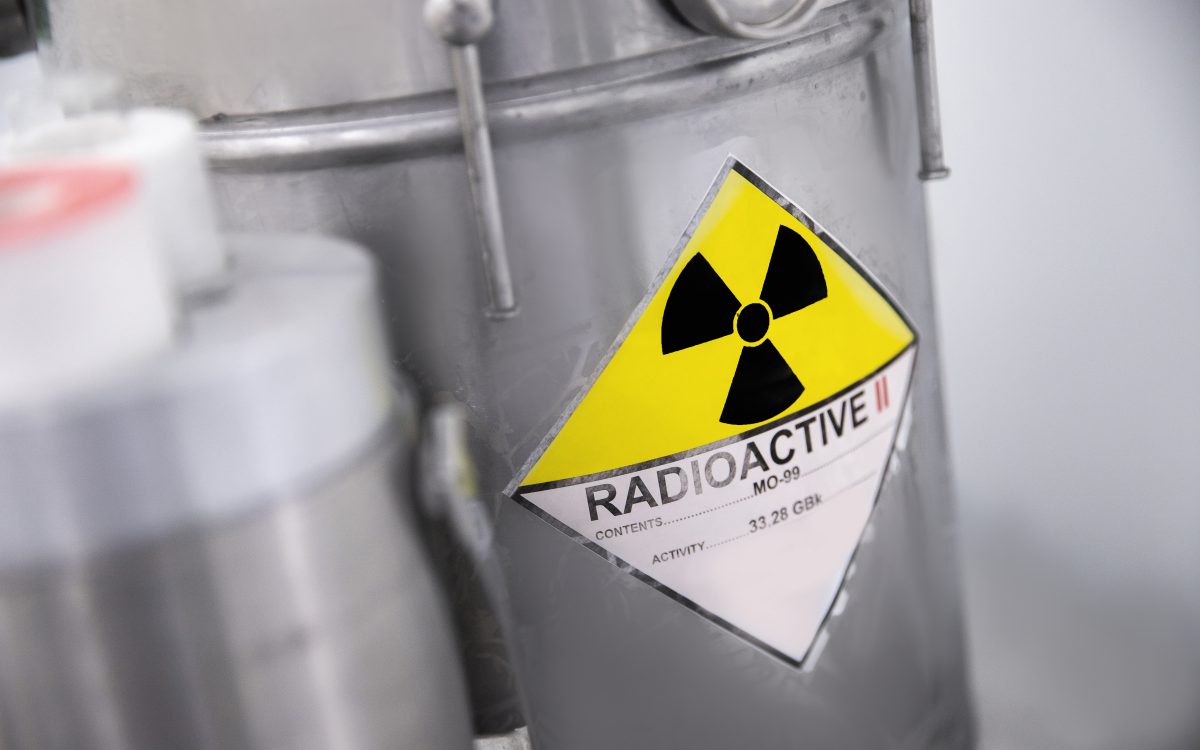
Hazardous waste disposal Los Angeles is one of the most critical challenges facing modern industry, environmental protection, and public health. Due to their toxic, reactive, flammable, or infectious properties, these wastes pose a severe threat to ecosystems and human safety. Proper hazardous waste disposal necessitates rigorous adherence to legal and technical procedures, from the moment of generation through transport, up to the final treatment and disposal of hazardous waste.
What Constitutes Hazardous Waste?
Legally, hazardous waste is defined as any waste exhibiting at least one characteristic that makes it dangerous (e.g., corrosivity, toxicity, mutagenicity, carcinogenicity). Typical examples requiring specialized hazardous waste disposal methods include:
Spent organic solvents and paints.
Laboratory chemicals.
Batteries and accumulators.
Medical and veterinary wastes (infectious).
Used motor oils and lubricants.
Polychlorinated biphenyls (PCBs).
The key to successful hazardous waste management is the precise classification of hazardous waste and its identification using specific Waste Codes, which denote the source and type of the substance.
Stages of Hazardous Waste Disposal and Management
The entire process of hazardous waste disposal Phoenix is divided into several strictly regulated stages, each essential for ensuring safety.
1. Generation and Storage
The generator is legally responsible for their hazardous waste from its creation (the “cradle-to-grave” principle).
Segregation: It is mandatory to strictly separate hazardous waste from municipal or other production wastes.
Packaging and Labeling: This step requires the use of specialized, certified packaging that is resistant to the stored chemicals. Every package must be clearly and durably labeled, including the Waste Code, information about the dangerous properties (pictograms), date of generation, and generator details.
Storage: Temporary storage of hazardous waste must occur in a dedicated, secure area, protected from weather, unauthorized access, and equipped with emergency containment systems (e.g., spill containment pallets). The maximum storage time is strictly limited by law, emphasizing prompt hazardous waste disposal Chicago.
2. Transport of Hazardous Waste
Transportation is a high-risk operation and is subject to stringent international and national regulations (e.g., ADR agreement for road transport).
Specialized Vehicles: The transport of hazardous waste must only be conducted by companies holding appropriate permits and utilizing specially adapted vehicles.
Documentation: Mandatory documents include the Waste Transfer Note (WTN), which tracks the movement of every batch of waste, and transport documents (e.g., ADR consignment note). This rigorous paperwork is vital for the chain of custody in hazardous waste disposal.
3. Recovery and Final Disposal of Hazardous Waste
The ultimate goal is the safe disposal of hazardous waste in a manner that minimizes environmental impact. Recovery (e.g., recycling) is always the priority, followed by secure landfilling of hazardous waste or thermal treatment.
Recovery: Processes aimed at retrieving substances or materials, such as oil re-refining or metal recovery from batteries.
Thermal Treatment (Incineration): High-calorific wastes are combusted in specialized facilities. This requires advanced flue gas cleaning systems to prevent the emission of toxic compounds during hazardous waste disposal Denver.
Treatment: Other forms of hazardous waste disposal include stabilization and solidification (e.g., for heavy metal-containing wastes to prevent leaching into groundwater) or neutralization (for acids and bases).
Landfilling: The final landfilling of hazardous waste is only permitted in designated, specially engineered, and monitored sites that are geologically and technically secured.
Legal Framework and Responsibility for Hazardous Waste Disposal
Hazardous waste disposal Jacksonville is strictly regulated by EU directives and national laws. Maintaining complete and accurate hazardous waste records is crucial.
Waste Data System (WDS/BDO equivalent): All activities related to hazardous waste management must be recorded in a central database system. This allows authorities to monitor the flow and final destination of every batch of waste, ensuring compliance with hazardous waste disposal requirements.
Permits: Every entity involved in the chain (generation, transport, hazardous waste disposal) must hold the required permits and licenses (e.g., integrated permits).
Sanctions: Non-compliance with regulations concerning hazardous waste disposal incurs severe financial penalties and, in extreme cases, criminal liability.
Summary of Key Requirements for Hazardous Waste Disposal
Classification and Identification: Correct classification of hazardous waste using the appropriate Waste Code.
Safety: Use of certified packaging and secure storage practices.
Documentation: Maintaining accurate hazardous waste records and issuing WTNs.
Compliance: Exclusively utilizing transport companies and hazardous waste disposal facilities that possess the necessary legal authorizations.
Proper hazardous waste disposal is not merely a legal obligation but a moral one toward future generations. Responsible hazardous waste management minimizes the risk of contaminating water, soil, and air, thereby protecting the natural environment and public health.